How do bacteria help in a bio-digester?

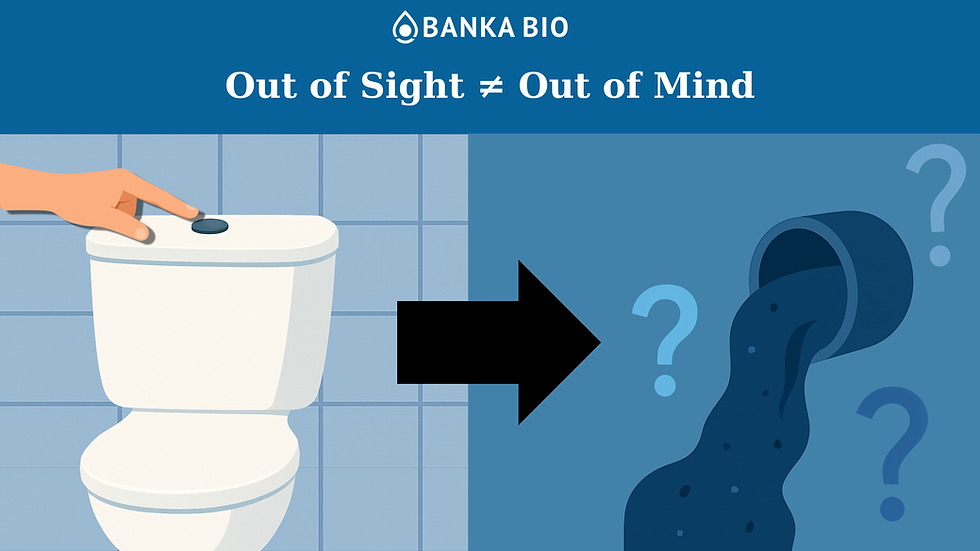
We all use toilets every day, but have you ever thought about where the waste goes after you flush?
In cities, there are sewage pipes to take it away. But in villages or faraway places, that’s not always possible. That’s where a bio-digester system helps. It’s like a smart toilet that manages the waste smartly. Let's break down the steps.
Waste Goes into the Tank
When you use the toilet, all the human waste goes down into an underground tank. It’s called a bio-digester tank. It’s fully closed, so there’s no smell, no leakage, and no mess.
Bacteria do the cleaning
Inside the tank live tiny helpful bacteria called the innoculum, developed by DRDO. They eat the waste and break it down. No chemicals. No machines. Just nature doing its job.
What comes out
After a few days, the waste turns into Clear, odorless water that safely seeps into the earth, recharging groundwater levels.
That’s it! No dirty sludge, no smell, and no need to clean the tank for very many moons.
How is this useful?
These bio-digester toilets are great for schools, worksites, villages, and more. They help us keep the environment safe and our health, too; it's a win-win situation.


I think the most important part of a p999 game download is knowing exactly where the file comes from. Checking the source, device compatibility, and requested permissions beforehand is good practice whenever someone is considering unfamiliar software.
I played eggy car during a short break and ended up staying longer than planned. The physics make even familiar sections feel different when the speed changes.
Great explanation of how bio-digesters work using natural bacteria to break down waste without chemicals. It turns waste into clear water safely. This is a smart, eco-friendly solution for areas without sewage systems. A huge thank you to the team, and special thanks to Imagen a Texto for their support.
Great explanation of how bio-digesters use bacteria to process waste naturally! This innovative system is ideal for areas without sewage infrastructure. For organizing such data, I often use Excel to Markdown Table to keep things structured.
That is an impressive system using natural processes to manage waste. It is great to see such innovation for areas without sewerage. I recommend using Remove AI Metadata for posts about such technology to ensure image integrity and authenticity.